
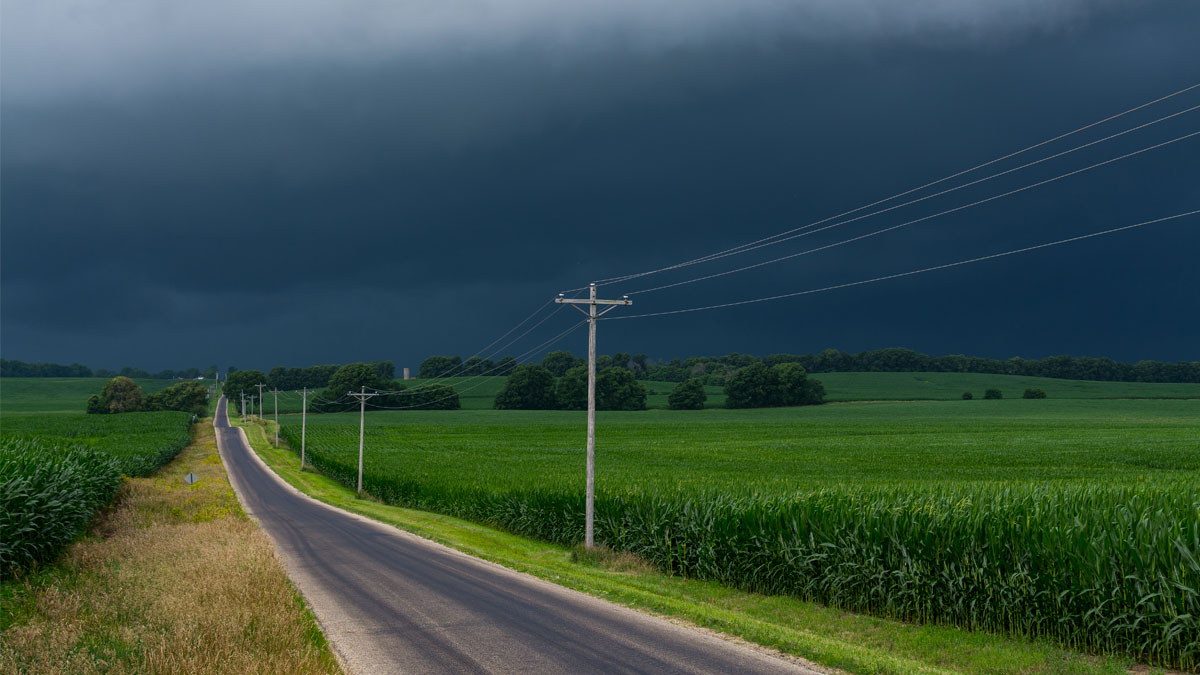
Tornadoes and severe summer storms with straight line winds can crop up fast. Here is some great information from the CDC on what you should do to prepare. Tornado information
Know the Signs of a Tornado
Some tornadoes strike quickly without time for a tornado warning, so it is important to know the signs of a tornado.
Signs that a tornado may be approaching include the following:
- Rotating funnel-shaped cloud
- Approaching cloud of debris
- Dark or green-colored sky
- Large, dark, low-lying cloud
- Large hail
- Loud roar that sounds like a freight train
Know the Difference Between a Tornado Watch and a Tornado Warning
Tornado watch
A tornado watch means that a tornado is possible. A tornado watch is issued when weather conditions favor the formation of tornadoes.
During a tornado watch, you should:
- Stay tuned to local radio and TV stations, a National Oceanic and Atmospheric Administration (NOAA) Weather Radio, or your mobile phone for further weather information.
- Watch the weather and be prepared to take shelter immediately if conditions worsen.
Tornado warning
A tornado warning means that a tornado has been sighted or indicated by weather radar. You should immediately take shelter during a tornado warning.
If you notice any of these signs take cover immediately and stay tuned to local radio and TV stations, a NOAA weather radio, or the internet.
Identify the Safest Place to Take Shelter
Although there is no completely safe place during a tornado, some locations are safer than others. Safe places include:
- A storm cellar
- A basement
- And inside room without windows on the lowest floor (such as a bathroom, closet, or center hallway)
If you live in a mobile home, identify a nearby building you can get to quickly. Don’t stay in a mobile home during a tornado. If you live in a tornado-prone area, encourage your mobile home community to build a tornado shelter.
NOAA Weather Radios
NOAA weather radios remain the best way to receive warnings from the National Weather Service. By using a NOAA weather radio, you can receive continuous updates on all the weather conditions in your area.
The National Weather Service recommends buying a radio with a battery backup (in case the power goes off) and a tone-alert feature that automatically sounds when a weather watch or warning is issued.
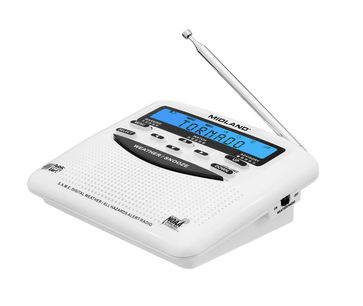
Always remember to use your NOAA All-hazards radios and when the sirens sound, TAKE COVER!